Absolut unveils industry-first paper-based cap and bottle duo
Following a trial in May, the paper-based cap takes Absolut Vodka another step
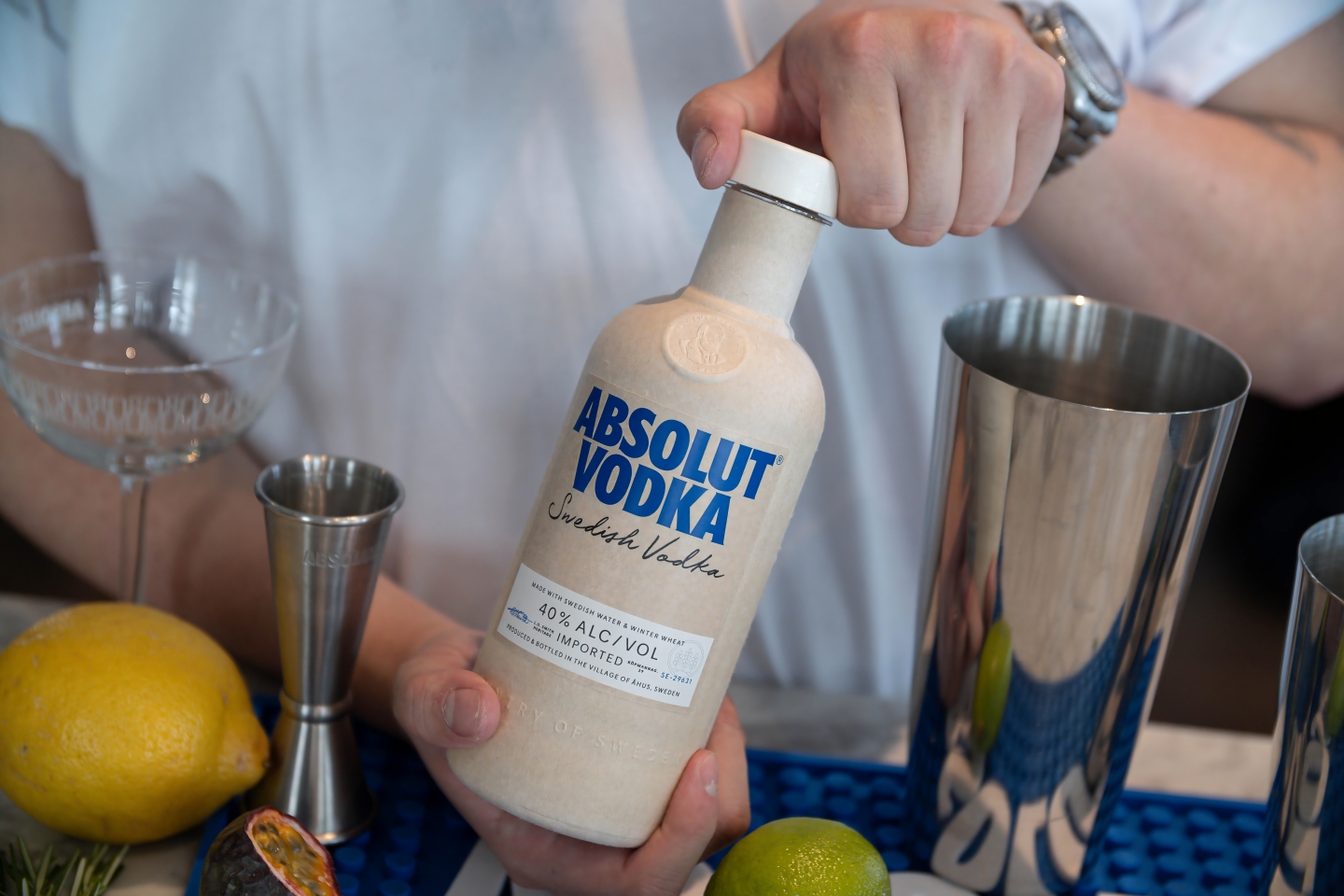
Absolut has successfully trialled an industry-first paper-based cap and bottle duo as part of the company’s ongoing vision to create a fully biobased bottle. The cap is a collaboration with Blue Ocean Closures (BOC), a Swedish start-up that has formed a pioneer community to reduce plastics through fibre packaging innovation. The bottle and cap completed its first trial at an event in May, being put to the test by a community of bartenders.
Absolut has a history of working towards long-term environmental goals and pushing boundaries with its packaging. In 2023, the brand made waves with the launch of ‘Absolut Paper’ in collaboration with Paboco (Paper Bottle Company). An industry first, Absolut successfully trialled the single-mould paper-based bottles at select Tesco stores in the UK.
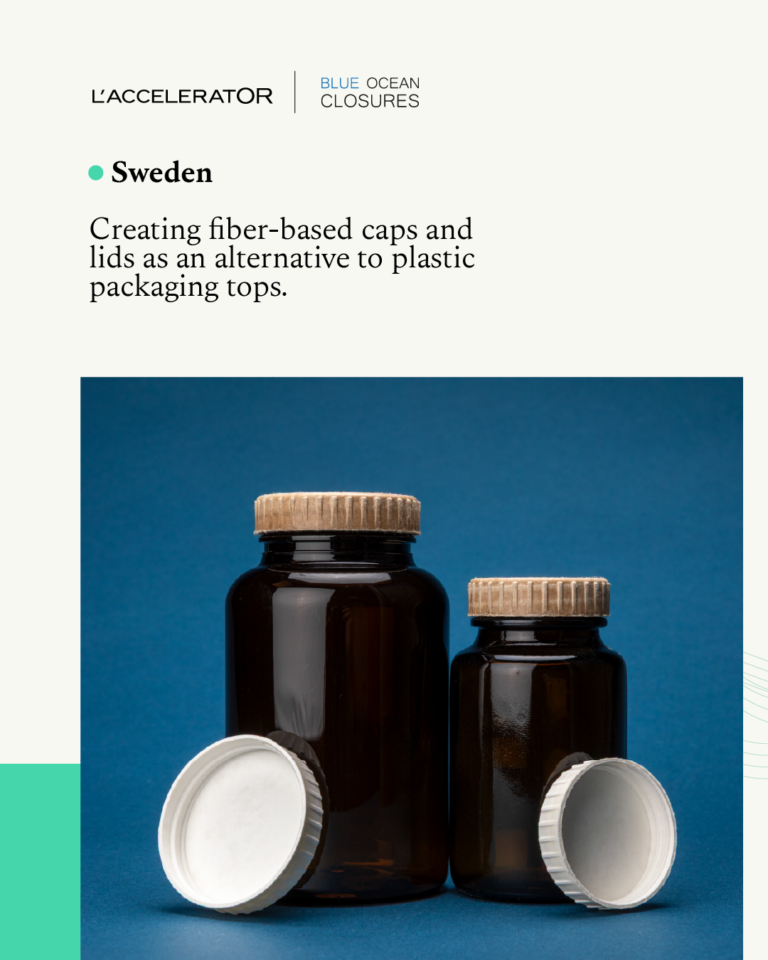
Absolut’s commitment to generating change led to the exploration of the final element – a paper-based cap. With no viable options available in the market, Absolut teamed up with BOC to develop a paper-based cap.
The paper-based caps have been designed to seal just as securely as existing caps but are made from renewable material. A cap made from renewable material opens the potential for reductions of carbon footprint compared to conventional materials such as aluminium. The cap will be recyclable as paper in markets that have recycling systems in place that can separate paper from other materials. The cap’s pioneering design combines a body made of more than 95% FSC* certified fibres with a thin top-seal barrier made of plastic.
The paper-based cap is part of Pernod Ricard’s Future of Packaging initiative, which seeks to empower consumers and brands to commit to more conscious choices around the packaging of their spirits. The paper-based cap and bottle combination was trialled for the first time at the “Absolut The Map” event in May, where bartenders were able to put the new innovation to the test. The focus of the test was to evaluate functionality, handling and overall impression of the cap in “real-life” situations. The next steps on the development journey involve further quality testing, followed by a limited in-market trial.