Fiber-based closures top up with cost advantage
Recent developments in resin markets are putting renewed pressure on plastic packaging economics. According to reporting from Plastics Today, polyethylene producers in early 2026 pushed for price increases of up to $0.30 per pound, with further increases proposed in subsequent months. At the same time, Plastics Information Europe reported sharp rises in European polymer prices, with some polyethylene grades increasing by several hundred euros per ton in a single month.
For packaging decision-makers, this is more than short-term volatility, it is a shift that directly impacts material choices.
“Fiber-based closures were previously seen as a slightly more expensive but more sustainable option,” says Lars Sandberg, CEO of Blue Ocean Closures. “With the latest developments in resin prices and technology advancements that is no longer the case. In several applications, they are now becoming the lower production-cost alternative.”
This shift comes at a time when regulatory pressure is also intensifying. The European Commission’s proposed Packaging and Packaging Waste Regulation aims to ensure that all packaging on the EU market is recyclable in an economically viable way by 2030, while also reducing dependence on virgin fossil-based materials. In that context, material substitution is no longer only about sustainability positioning, it is increasingly about cost control and long-term resilience.
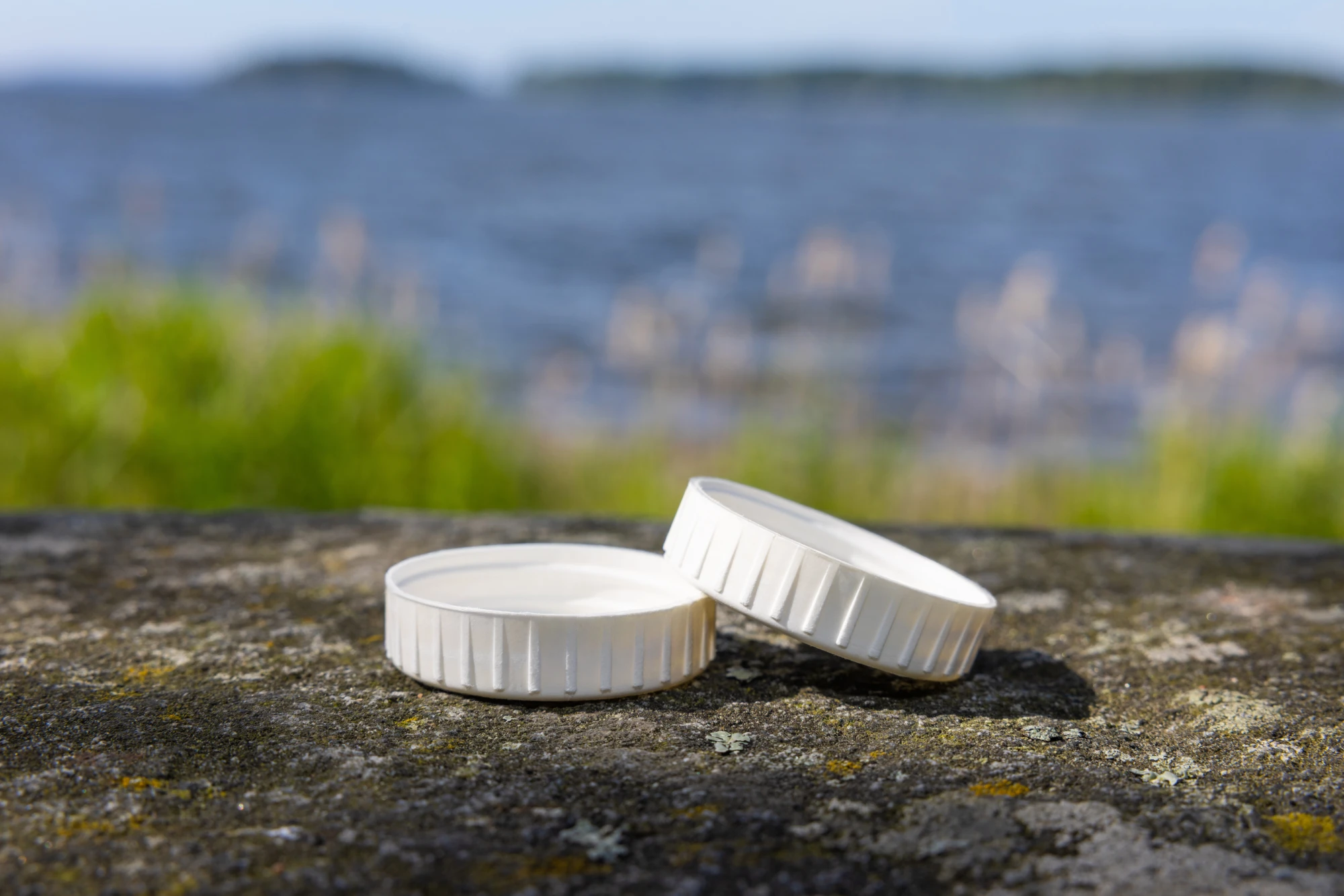
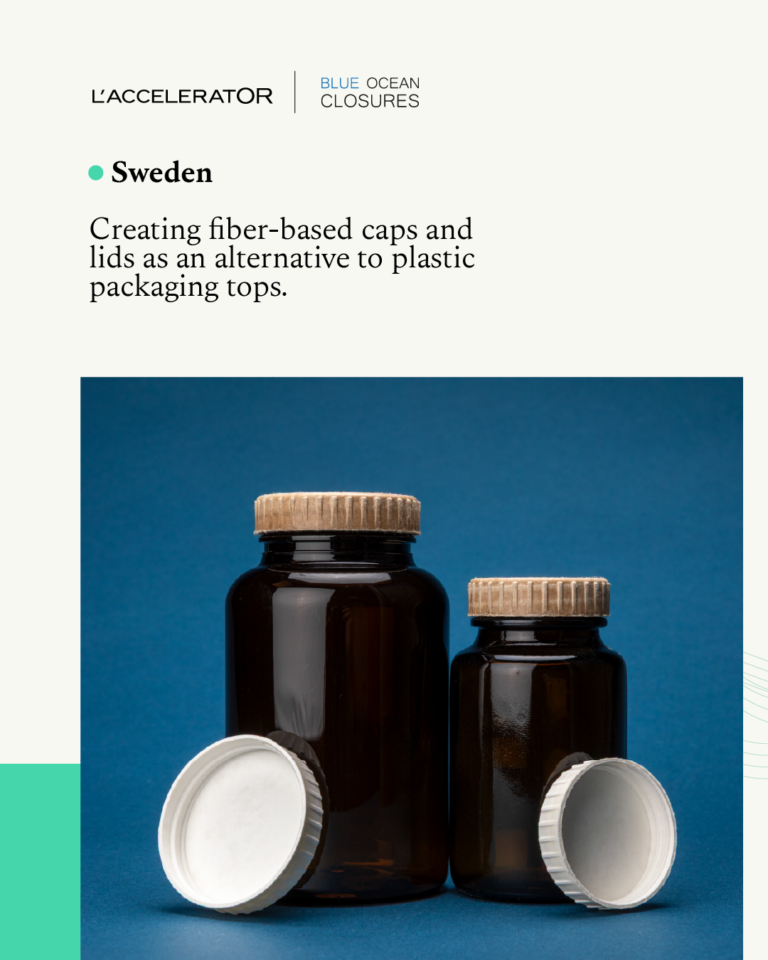
One area where this shift is becoming visible is in closures. While often a small component of total packaging weight, closures play a critical role in functionality, recyclability perception, and material composition. Historically dominated by plastics, they are now emerging as a viable entry point for fiber-based alternatives. Blue Ocean Closures, for example, has developed a proprietary, protected cartonboard-based closure technology designed to be recyclable as paper. Industry recognition like The Sustainability Awards by Packaging Europe has highlighted that the company’s fiber-based screw cap has achieved certification for paper recycling streams.
The significance lies not only in the material itself, but in how it is produced.
“Our approach avoids the complexity of traditional dry forming and enables conversion using materials with pre-applied barriers,” says Sandberg. “That reduces both energy use and process complexity, which is part of why the cost position has improved.”
This combination, lower exposure to volatile fossil-based feedstocks, reduced converting complexity, and alignment with emerging regulatory frameworks, is beginning to change how fiber-based closures are evaluated internally within FMCG and packaging organizations.
“What we are seeing now is a shift from innovation discussions to implementation discussions,” Sandberg adds. “It’s no longer just about testing new materials. It’s about where companies can realistically replace plastics starting today.”
Early market examples support this direction. Blue Ocean Closures has reported initial commercial adoption in consumer products, demonstrating measurable reductions in plastic use at scale. While still early, these cases suggest that advanced fiber-based packaging components are moving beyond pilot stage into practical deployment.
For beverage carton producers and brand owners, the implications are clear. Closures represent a relatively contained component where change can be introduced without redesigning the entire packaging system, yet still deliver meaningful impact on material use, recyclability alignment, and cost exposure. As resin markets remain volatile and regulatory frameworks tighten, the window for transitioning from plastic to fiber-based solutions may be opening faster than many expected.